


La révolution du big data s’accompagne de nouvelles obligations juridiques, notamment lorsque des données personnelles sont traitées.
Dans un monde économique en pleine transformation numérique, la data est devenue le carburant de l’innovation et le moteur de la croissance pour de nombreuses organisations. Les entreprises collectent, analysent et exploitent des volumes toujours plus importants de données pour optimiser leurs opérations, personnaliser leurs offres et développer de nouveaux modèles d’affaires.
Cependant, cette révolution du big data s’accompagne d’un cadre juridique de plus en plus contraignant, notamment lorsque ces données concernent des personnes physiques identifiées ou identifiables.
Face à cette complexité réglementaire croissante, l’intervention d’un avocat CNIL devient un atout stratégique majeur pour naviguer dans cet environnement juridique exigeant tout en exploitant pleinement le potentiel de vos données.
Si vous souhaitez avoir recours à un avocat CNIL, contactez-moi !
L’évolution du cadre juridique : vers une protection renforcée des données
Le paysage réglementaire encadrant l’utilisation des données a connu des transformations majeures ces dernières années, avec l’adoption de textes fondateurs qui redéfinissent les obligations des entreprises.
Du RGPD à l’IA Act : un cadre européen ambitieux
Le Règlement Général sur la Protection des Données (RGPD), entré en application en mai 2018, constitue la pierre angulaire de cette nouvelle ère réglementaire. Ce texte a révolutionné l’approche de la protection des données en instaurant des principes fondamentaux comme la responsabilité (accountability), la transparence, la minimisation des données et la privacy by design.
Plus récemment, l’Union européenne a adopté plusieurs réglementations sectorielles qui viennent compléter ce dispositif : le Digital Services Act (DSA), le Digital Markets Act (DMA) et le règlement sur l’Intelligence Artificielle (IA Act), qui imposent des obligations spécifiques en matière de traitement algorithmique, de transparence et d’évaluation des risques.
L’expertise d’un conseil juridique se révèle particulièrement précieuse dans ce contexte de superposition normative. Un avocat CNIL maîtrise ces différents corpus juridiques et leurs interactions, vous permettant d’identifier les dispositions applicables à votre activité spécifique et d’anticiper l’évolution des contraintes réglementaires.
Les contraintes françaises spécifiques : le rôle central de la CNIL
En France, la Commission Nationale de l’Informatique et des Libertés (CNIL) joue un rôle particulièrement actif dans l’interprétation et l’application du RGPD. Elle publie régulièrement des lignes directrices, des recommandations et des référentiels qui précisent les modalités pratiques de mise en conformité dans différents secteurs ou pour différents types de traitements.
Par ailleurs, la CNIL a considérablement renforcé son activité de contrôle et de sanction. En 2023, elle a prononcé des amendes record atteignant plusieurs dizaines de millions d’euros, ciblant particulièrement les projets impliquant des traitements massifs de données ou des technologies innovantes comme l’intelligence artificielle.
La médiation stratégique d’un avocat s’avère déterminante pour interpréter correctement ces positions sectorielles de la CNIL et les traduire en mesures opérationnelles adaptées à votre contexte d’entreprise. Son expertise vous permet d’anticiper les attentes spécifiques du régulateur français et de préparer efficacement d’éventuels contrôles.
Les secteurs particulièrement concernés par les enjeux juridiques du big data
Si toutes les organisations sont touchées par ces évolutions réglementaires, certains secteurs font l’objet d’une attention particulière en raison de leur utilisation intensive des données ou de la sensibilité des informations qu’ils traitent.
Le secteur de la santé et de la recherche médicale
Le domaine de la santé représente un terrain particulièrement fertile pour les applications du big data, avec des enjeux considérables en matière d’amélioration des parcours de soins, de recherche médicale et de santé publique. Les projets d’intelligence artificielle appliqués au diagnostic médical, les études cliniques basées sur l’analyse de données massives ou encore les dispositifs de télémédecine constituent autant d’innovations prometteuses.
Cependant, ces initiatives impliquent le traitement de données de santé, considérées comme particulièrement sensibles par le RGPD et soumises à des règles spécifiques en droit français (notamment via le Health Data Hub et le Système National des Données de Santé).
L’accompagnement juridique personnalisé que peut offrir un avocat CNIL est crucial pour naviguer dans ce cadre complexe. Il vous aide à déterminer le régime juridique applicable à votre projet spécifique (recherche, soins, évaluation des pratiques professionnelles), à identifier les autorités compétentes (CNIL, CPP, CESREES) et à constituer les dossiers réglementaires nécessaires pour obtenir les autorisations requises sans compromettre vos objectifs d’innovation.
Le marketing digital et la publicité ciblée
Le secteur du marketing digital est profondément transformé par l’exploitation des données massives, permettant une personnalisation toujours plus fine des messages publicitaires. Cependant, cette évolution s’accompagne d’un encadrement juridique renforcé, particulièrement en matière de cookies et autres traceurs, de profilage et de prise de décision automatisée.
La fin programmée des cookies tiers, les restrictions croissantes sur les technologies de tracking et l’exigence d’un consentement explicite et éclairé bouleversent les modèles établis et obligent les acteurs du secteur à repenser leurs stratégies.
La vision prospective d’un conseil juridique expert représente un atout considérable dans ce contexte mouvant. Un avocat vous aide à concevoir des stratégies de collecte et d’exploitation des données conformes aux exigences réglementaires actuelles et futures, tout en préservant la performance de vos campagnes marketing. Il vous accompagne également dans la mise en place de mécanismes de consentement efficaces et dans l’élaboration de politiques de confidentialité transparentes.
Le secteur financier et l’assurance
Les institutions financières et les compagnies d’assurance font figure de précurseurs dans l’exploitation du big data, que ce soit pour l’évaluation des risques, la détection des fraudes, l’automatisation des processus ou la personnalisation des offres. Ces innovations s’accompagnent toutefois d’exigences réglementaires particulièrement strictes.
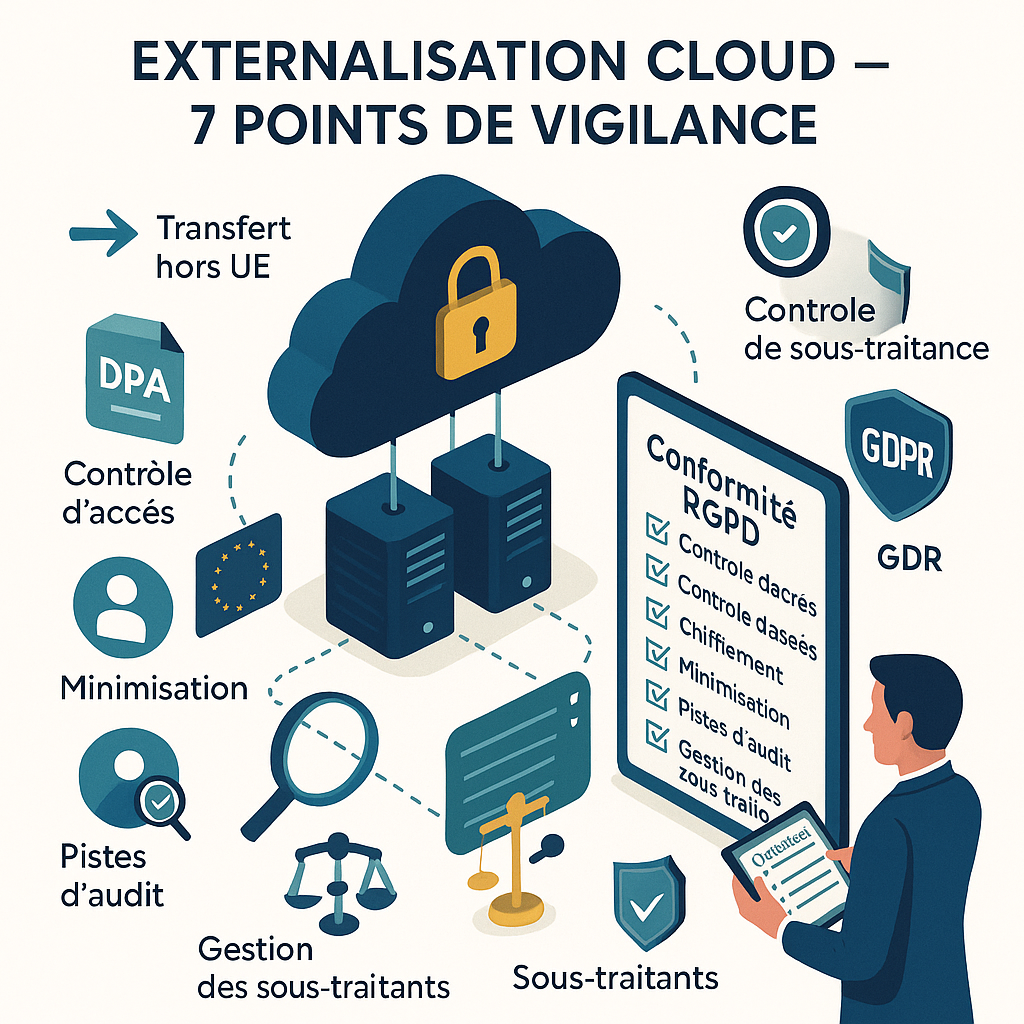
Au-delà du RGPD, ces acteurs doivent respecter des réglementations sectorielles comme la directive MiFID II, qui impose des obligations spécifiques en matière de transparence et de protection des investisseurs, ou encore les guidelines de l’Autorité Bancaire Européenne sur l’externalisation cloud.
L’expertise sectorielle d’un avocat CNIL constitue un levier de performance dans cet environnement hautement régulé. Il vous aide à concilier innovation technologique et conformité réglementaire, en élaborant des montages juridiques solides qui sécurisent vos projets data sans entraver leur déploiement. Sa connaissance approfondie des positions des différentes autorités de régulation (CNIL, ACPR, AMF) vous permet d’anticiper les évolutions normatives et d’adapter votre stratégie en conséquence.
Les enjeux juridiques spécifiques de l’intelligence artificielle
L’intelligence artificielle représente aujourd’hui la frontière la plus avancée de l’exploitation des données massives, avec des applications révolutionnaires mais aussi des défis juridiques et éthiques inédits.
Les nouveaux défis posés par le Règlement européen sur l’IA
L’adoption du Règlement européen sur l’Intelligence Artificielle (IA Act) marque une étape décisive dans l’encadrement de ces technologies. Ce texte, qui entrera progressivement en application jusqu’en 2026, instaure une approche graduée basée sur les risques :
- Les systèmes d’IA présentant un risque inacceptable sont interdits (notation sociale, systèmes de manipulation subliminale…)
- Les systèmes à haut risque sont soumis à des exigences strictes (évaluation des risques, supervision humaine, transparence…)
- Les systèmes à risque limité doivent respecter certaines obligations de transparence
- Les systèmes à risque minimal bénéficient d’un régime allégé
La planification stratégique facilitée par un expert juridique devient indispensable pour anticiper l’impact de cette réglementation sur vos projets d’IA. Un avocat vous aide à qualifier juridiquement vos solutions technologiques, à évaluer leur niveau de risque réglementaire et à mettre en place les mesures de conformité appropriées. Son intervention permet d’intégrer les exigences juridiques dès la phase de conception de vos systèmes, réduisant ainsi considérablement les coûts de mise en conformité ultérieurs.
L’équilibre entre innovation et protection : le cas des LLM
Les modèles de langage de grande taille (Large Language Models ou LLM) comme ceux qui sous-tendent les agents conversationnels de dernière génération illustrent parfaitement la tension entre potentiel d’innovation et risques juridiques.
Ces technologies soulèvent des questions complexes en matière de droits d’auteur, de responsabilité pour les contenus générés, de transparence algorithmique ou encore de discrimination potentielle. La CNIL a d’ailleurs publié en 2023 une position spécifique sur ce sujet, préconisant une approche prudente et documentée.
L’accompagnement juridique approfondi que propose un avocat CNIL vous permet de déployer ces technologies innovantes tout en maîtrisant les risques associés. Il élabore avec vous une stratégie de conformité adaptée, comprenant des analyses d’impact, des politiques de gouvernance des données et des mécanismes de contrôle qualité. Son expertise vous aide également à structurer vos relations contractuelles avec vos fournisseurs de technologie pour sécuriser juridiquement l’utilisation de ces outils puissants.
Comment un avocat CNIL sécurise vos projets data ?
Face à ces défis juridiques complexes, un avocat en droit des données apporte une valeur ajoutée considérable à toutes les étapes de vos projets impliquant des traitements massifs de données.
L’analyse préliminaire et l’anticipation des risques
Avant même le lancement d’un projet data ou big data, l’intervention d’un avocat CNIL permet d’en évaluer la faisabilité juridique et d’anticiper les contraintes réglementaires applicables.
Cette analyse préliminaire couvre diverses dimensions : licéité de la collecte des données envisagées, identification des bases légales appropriées, évaluation des transferts internationaux potentiels, anticipation des formalités administratives requises, et analyse des impacts sur les droits et libertés des personnes concernées.
La vision holistique d’un conseil juridique vous permet d’identifier les points d’attention majeurs dès les phases initiales de conception, évitant ainsi des réorientations coûteuses après le déploiement. Cette approche préventive transforme les contraintes réglementaires en opportunités d’amélioration de votre projet, en renforçant sa robustesse et son acceptabilité sociale.
La mise en place d’une gouvernance adaptée
La conformité des projets data passe nécessairement par l’établissement d’une gouvernance solide, définissant clairement les rôles et responsabilités de chaque acteur impliqué dans le cycle de vie des données.
Cette gouvernance inclut la désignation des responsables de traitement et des sous-traitants, la clarification des relations avec les partenaires technologiques, l’élaboration de processus de validation et de contrôle, ainsi que la documentation des choix effectués pour démontrer la conformité (accountability).
L’architecture juridique établie par un avocat CNIL constitue le fondement d’une exploitation pérenne et sécurisée de vos données. Sa maîtrise des différents montages contractuels possibles (responsabilité conjointe, sous-traitance, transferts internationaux) vous permet d’optimiser la répartition des responsabilités tout en préservant votre accès aux ressources technologiques nécessaires à votre projet.
L’accompagnement opérationnel continu
Au-delà de l’analyse initiale et de la conception des cadres de gouvernance, un avocat vous accompagne tout au long du cycle de vie de vos projets data pour garantir leur conformité dans la durée.
Cet accompagnement comprend l’élaboration et la mise à jour des documents de conformité (registre des traitements, analyses d’impact, politiques internes), la gestion des relations avec les autorités de régulation, la formation des équipes aux enjeux juridiques des données, et l’adaptation de vos pratiques aux évolutions réglementaires et jurisprudentielles.
Le soutien continu d’un expert juridique vous permet de maintenir un haut niveau de conformité sans sacrifier l’agilité nécessaire à l’innovation. En vous tenant informé des évolutions normatives pertinentes pour votre secteur et en proposant des ajustements proportionnés, un avocat CNIL vous aide à pérenniser vos investissements dans les technologies de données tout en minimisant les risques juridiques associés.
Faire du droit un levier de performance pour vos projets data
Dans un environnement où les données constituent un actif stratégique majeur mais aussi une source significative de risques juridiques, l’accompagnement par un avocat CNIL représente bien plus qu’une simple démarche de conformité : il s’agit d’un véritable levier de performance et de différenciation.
En transformant les contraintes réglementaires en opportunités d’amélioration de vos processus, en sécurisant juridiquement vos innovations technologiques et en vous aidant à construire une relation de confiance avec vos clients et partenaires, un avocat en droit des données contribue directement à la création de valeur au sein de votre organisation.
Notre cabinet d’avocats en conformité CNIL dispose d’une expertise pointue dans l’accompagnement des projets data et big data, couvrant l’ensemble des problématiques juridiques associées à l’exploitation des données massives. Que vous soyez une startup innovante développant des solutions basées sur l’intelligence artificielle, une entreprise établie souhaitant valoriser votre patrimoine de données, ou une organisation du secteur public engagée dans une démarche d’open data, nos experts vous accompagnent pour faire du droit un allié de votre transformation numérique.