


Interpretation of the RGPD on the communication of personal data
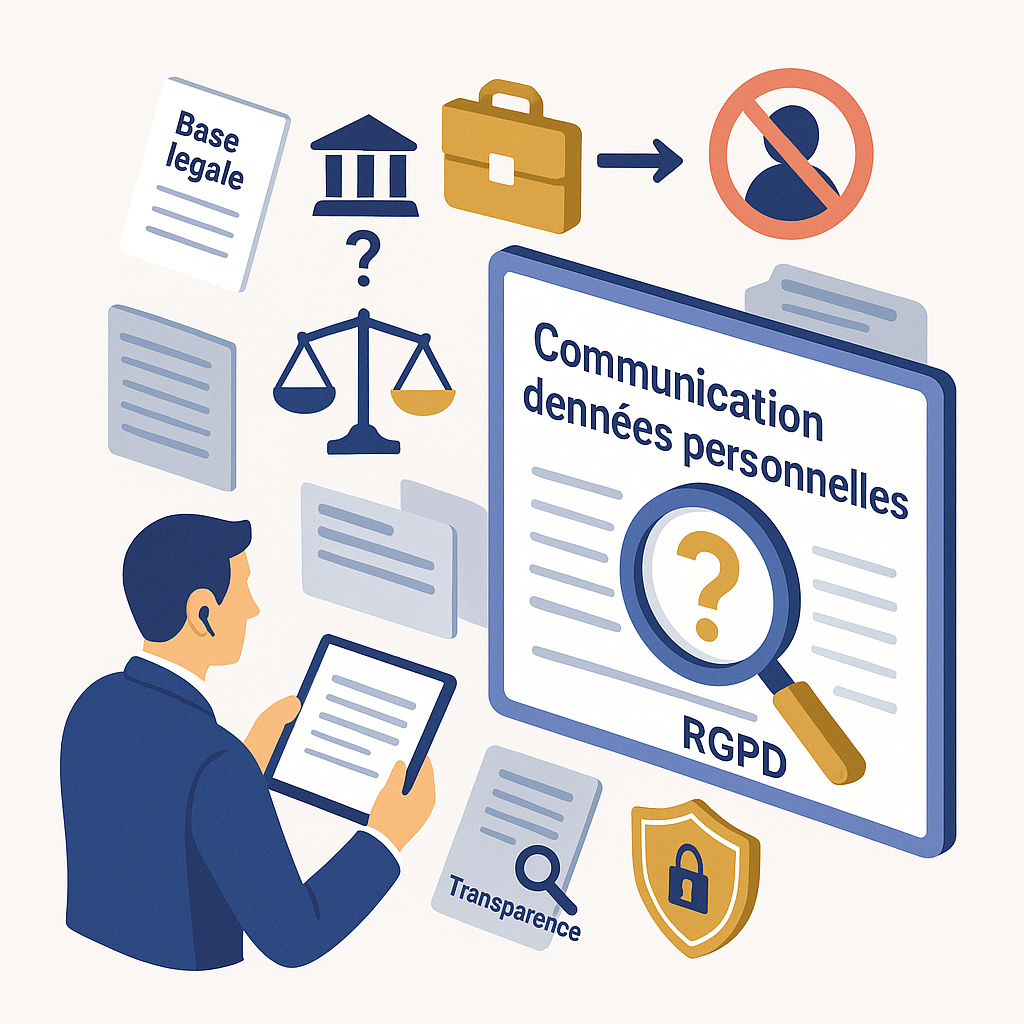
L’entrée en vigueur du RGPD a transformé la manière dont les entreprises et les organes publics traitent les données personnelles, suscitant des interrogations cruciales sur la communication des données à caractère personnel. Avec l’augmentation des préoccupations liées à la confidentialité et à la protection des données, il est essentiel de comprendre comment le cadre juridique […]
RGPD: Penalty for non-compliance and review of security aspects.
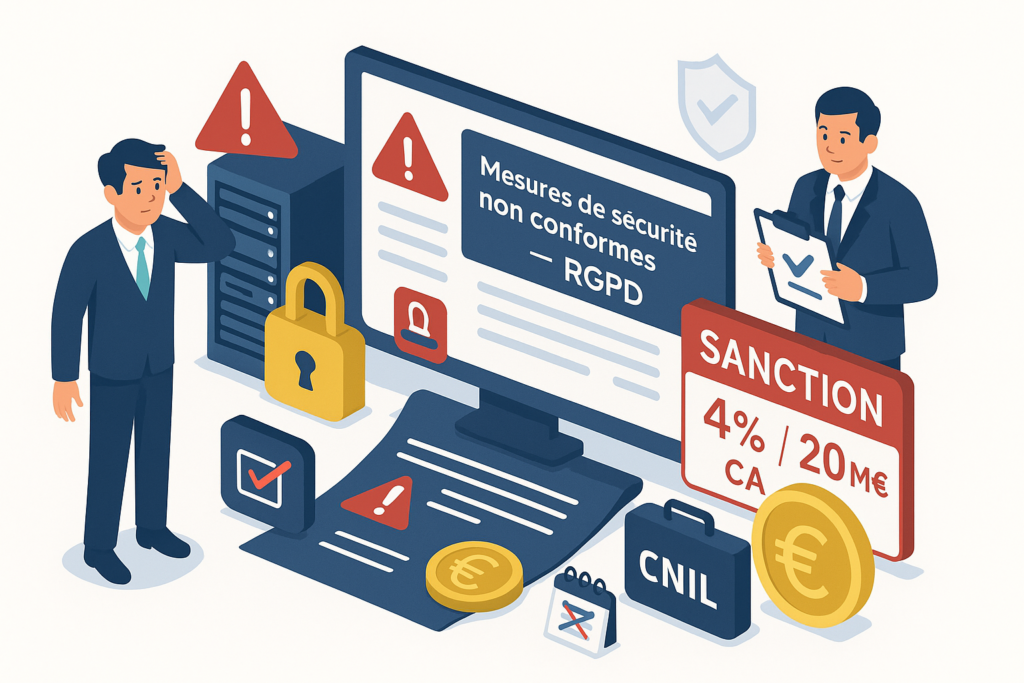
L’UODO sanctionne des manquements graves en matière de sécurité des données, au mépris de la conformité au RGPD (RGPD sanction sécurité). L’amende infligée par l’UODO (Autorité de Protection des Données Polonaise) à un organe de presse révèle des manquements graves en matière de sécurité des données, soulevant ainsi des questions cruciales sur la manière dont […]
Administrative transparency and RGPD: what's at stake for public institutions?
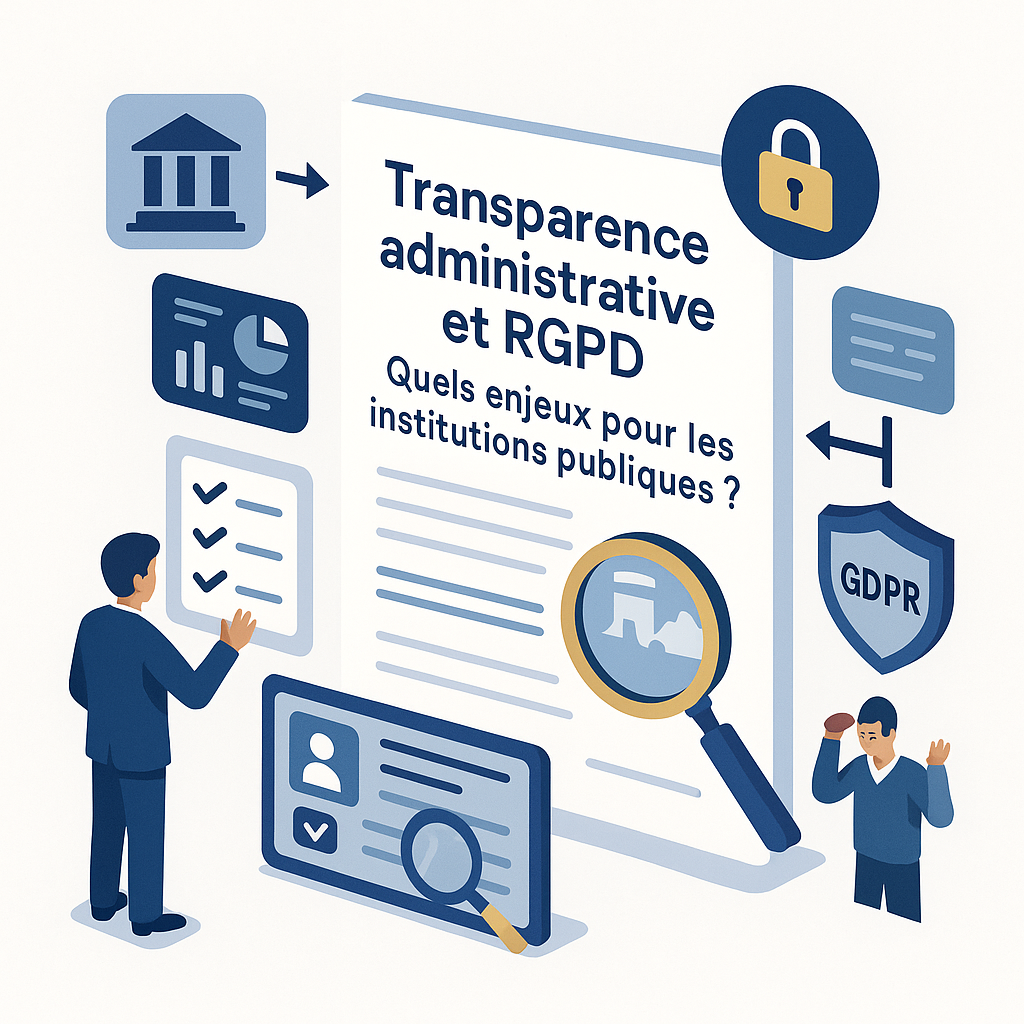
Dans une affaire HDPA (Greece) – 13/2025 des questions cruciales concernant le droit d’accès aux données personnelles au sein des institutions publiques sont soulevées. En vertu du RGPD, chaque individu a le droit de consulter ses informations personnelles, ce qui est essentiel pour maintenir la confidentialité des données et garantir la transparence au sein des administrations. Cette décision de l’Autorité de protection […]
RGPD and marketing targeting: can general interest be invoked without consent?

Dans un contexte où la protection des données personnelles est devenue une préoccupation majeure, l’affaire BGH VI ZR 109/23 soulève des questions cruciales sur les implications du RGPD et du consentement. En effet, la jurisprudence récente du Tribunal Fédéral de Justice allemand pourrait redéfinir notre compréhension des droits des consommateurs face à des pratiques telles […]
RGPD compliance at work: how to inform employees about the data processing in place?

In an increasingly digitalized world, the protection of personal data has become a major concern for companies and employees alike. The application of the European General Data Protection Regulation (GDPR) imposes on employers, and more particularly on Human Resources Managers (HRM), the crucial obligation to inform employees fairly of the processing [...]
Violation of data security rules: NTT Data Romania sanctioned by ANSPDCP

The data breach suffered by NTT Data Romania, sanctioned by the National Authority for Supraveghere a Prelucrării Datelor cu Caracter Personal (ANSPDCP), highlights the crucial importance of personal data protection in the context of increasing cyber attacks. Indeed, the violation of data security rules, as set out in Article 32 of the GDPR, is [...]
CNIL consultation on session replay tools: issues and recommendations
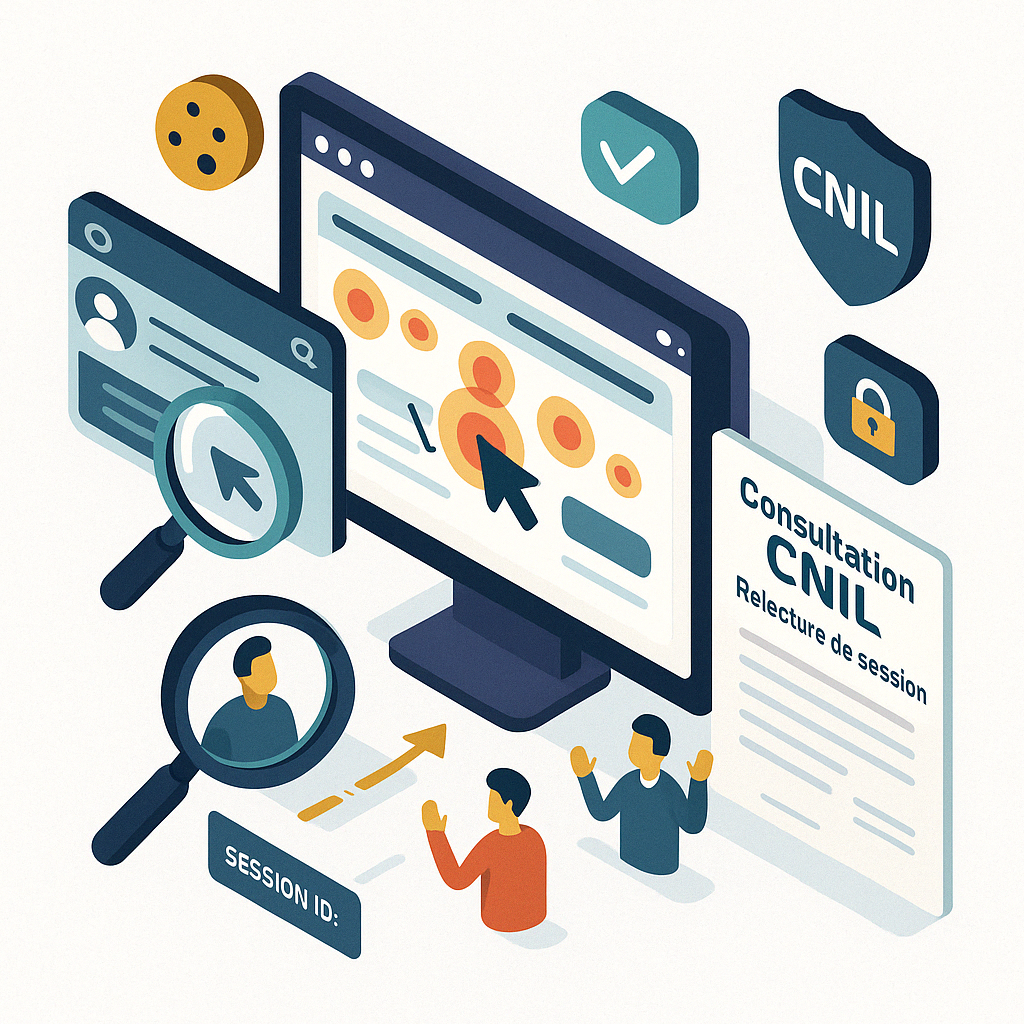
The CNIL, France's personal data regulator, recently launched an essential consultation on tools for recording and replaying browsing sessions. This process engages stakeholders in a dialogue on the growing use of these technologies, which make it possible to track and analyze user behavior on websites [...].
Requests for authorization in the healthcare sector: CNIL's assessment in 2024
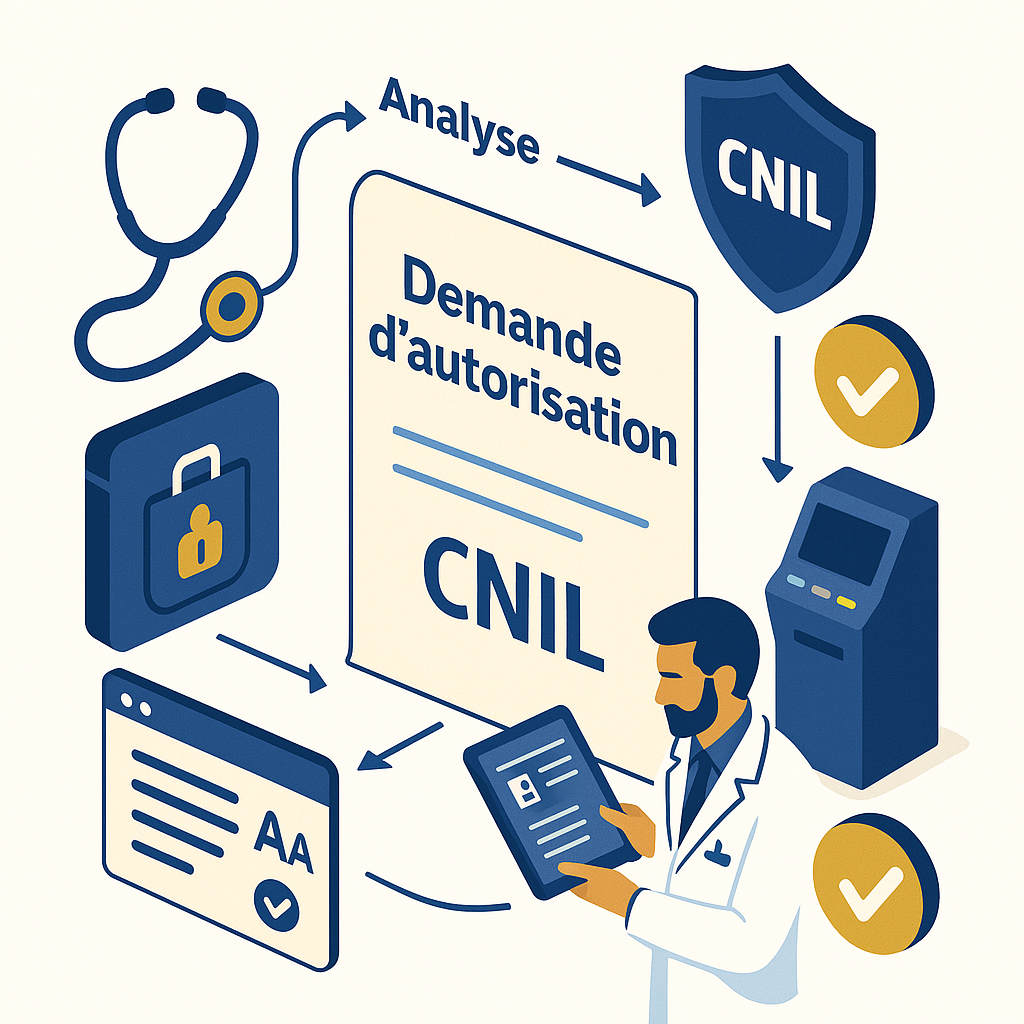
In 2024, the management of authorization requests in the healthcare sector reached a significant turning point, with a growing number of requests registered by the Commission Nationale de l'Informatique et des Libertés (CNIL). This dynamic trend, with 619 files submitted, underlines not only the growing importance of health data processing, but also the evolution of practices in terms of [...]
Do IT service providers always have to inform their customers? When lack of advice justifies contract cancellation

An IT service provider's obligation to inform and advise its customer is a fundamental principle of contract law. This obligation enables the customer to make an informed decision before entering into a contract, by ensuring that the product or service proposed truly meets his expectations. Within the framework of [...]
IT service provider: does your limitation of liability clause really protect you?

Can IT service providers be effectively protected by limitation of liability clauses? Limitation of liability clauses are a contractual shield often used by IT service providers to frame their obligations. But are they really effective in the event of a breach of the duty to advise? A recent decision by the French Court of Appeal [...].